
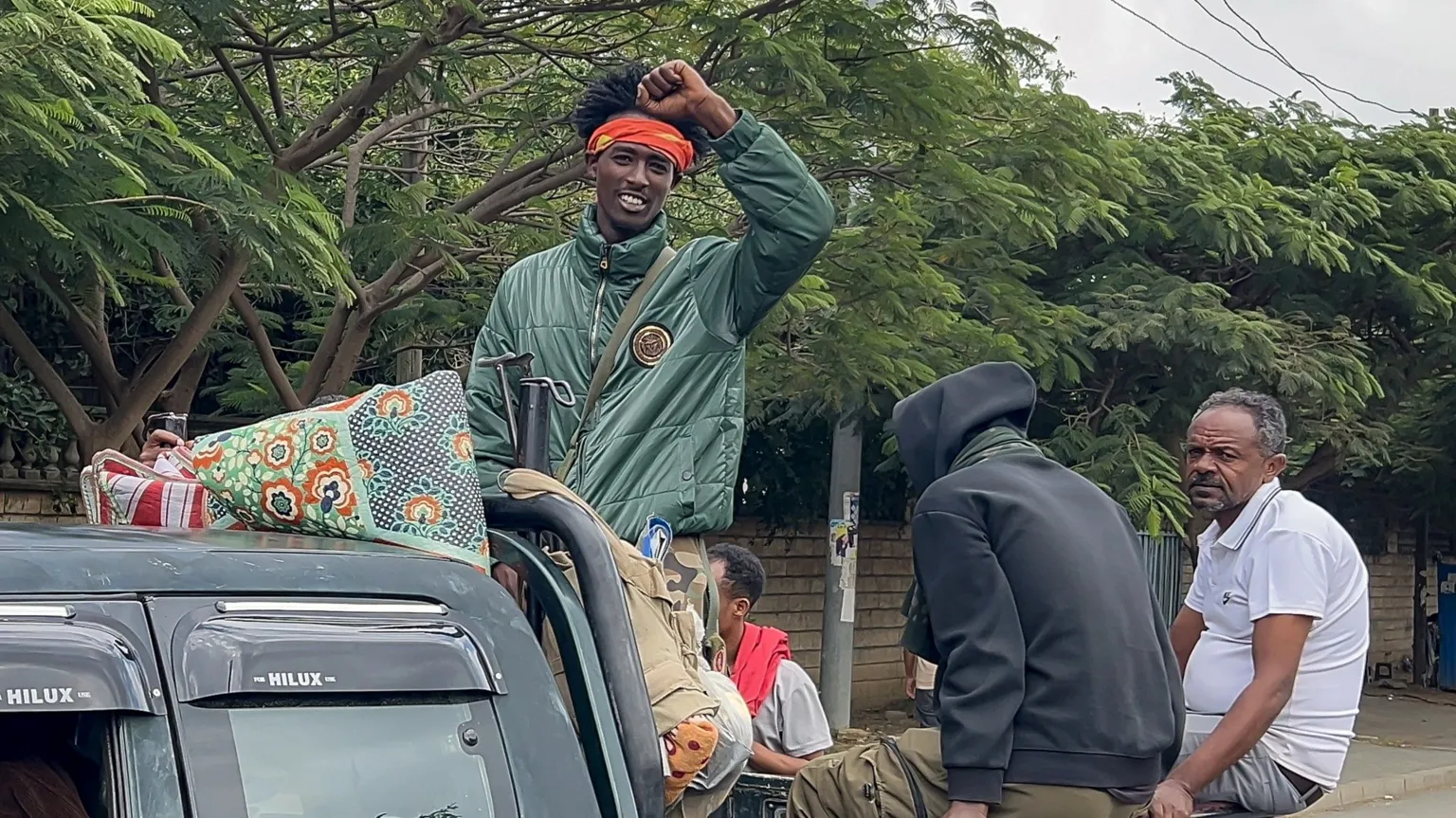

MEKELLE, Ethiopia — The fighting was brief. The victory, by the Ethiopian National Defence Forces, was swift. But more than a month after federal troops marched into Mekelle following the Tigray People’s Liberation Front’s “strategic withdrawal,” life in Tigray’s capital is far from normal—and the conflict is far from settled.
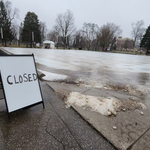
“People can’t prioritise beauty over daily basic needs,” Firut Me’ar, who runs a hair salon in Mekelle, told the BBC. “Things are better than during the war, but people still have no money, no morale. Business is almost non-existent. There is uncertainty about what comes next.”
The fighting broke out in late September between the TPLF and the national army—a resumption of the two-year civil war that officially ended in 2022. Within less than two weeks, federal forces marched into Mekelle, and the TPLF made what it called a “strategic withdrawal” from the city and Tigray’s other main towns. Hundreds of people are reported to have died, including dozens killed by drone strikes and bombing raids.
A War That Won’t End
Ethiopian government officials and supporters argue the war is effectively over. Getachew Reda, a senior TPLF official who switched sides and now advises the prime minister, declared the war in Tigray had ended and that stabilising the region should be the immediate priority.
But the TPLF insists it has not been defeated. Speaking by telephone from an undisclosed location, spokesperson Mikael Asgedom told the BBC the group “intentionally allowed the ENDF to advance deeper into the heartland of Tigray,” where it can be isolated and confronted on favourable terrain. “We chose not to fight on terms favourable to the enemy,” he said, adding that TPLF fighters have launched attacks against Ethiopian forces in several locations and are preparing for a major counteroffensive.
Residents in different parts of Tigray tell the BBC that fighting is continuing in central, northern and north-western parts of the region, with the use of heavy artillery and drone strikes. Eyewitnesses around Sheraro, near the Eritrean border, report heavy fighting involving artillery and ground forces.
A Fractured Movement
Analysts say the TPLF’s rapid military collapse reflects deep structural weaknesses. Cameroon Hudson, a consultant on African peace and security, points to the loss of popular support, internal fragmentation, and a lack of advanced military technology to match the ENDF. “It has lost many of its generals, strategic thinkers, finest diplomats and fighters, either through defections or arrests,” he says.
Abraha Hailezgi, a scholar at Mekelle University, agrees. “The army lacks a clear political vision. In recent years, it has become associated with coercion, abuses, forced recruitment and arbitrary actions. As a result, many people have come to view the TPLF army as an adversary rather than a force acting on their behalf.”
The Road Ahead
Yared Tibebu, a prominent Ethiopian commentator based in the U.S., believes the TPLF is preparing for a prolonged conflict, pointing to its history of overcoming setbacks and the recent formation of the Alliance for Survival, a coalition of seven rebel groups. “The TPLF has overcome many major challenges in the past,” he says. “It is wrong to conclude that it has no public support.”
But Hudson dismisses that assessment, arguing the alliance is unlikely to alter the balance of power. “The TPLF may continue a low-level insurgency and guerrilla campaign, but that is not war,” he says. “I do not think there will be a wider-scale conflict between the federal forces and the TPLF.”
For ordinary residents in Mekelle, the priority is peace—and the chance to rebuild. “Peace seems slow in coming,” says Firut from her salon. “Most people are tired of politics. Whatever happens, we only want peace and a chance to rebuild our lives.”