
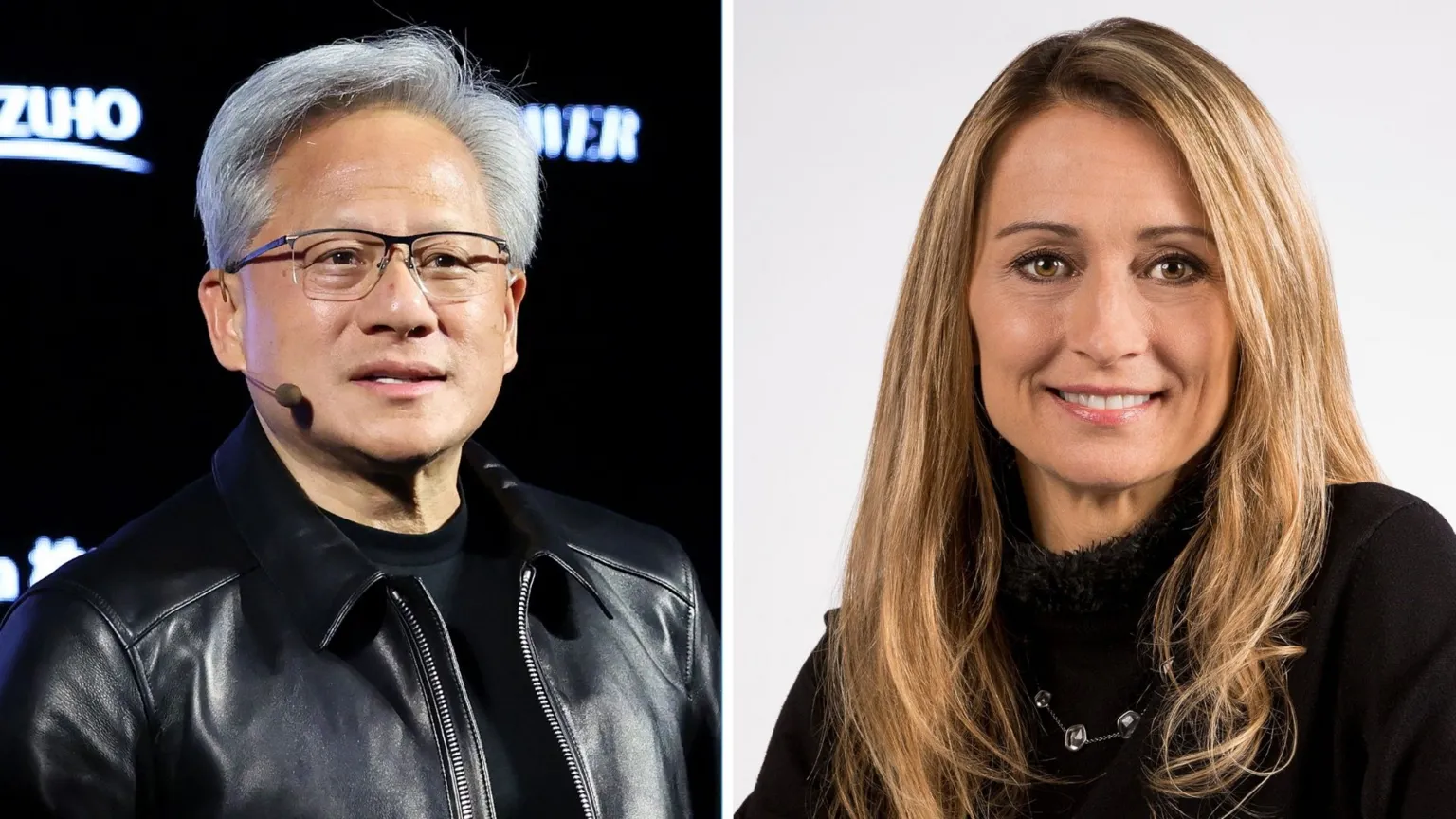

SANTA CLARA, Calif. — Nvidia’s board of directors has officially rejected calls to reinstate Jensen Huang as CEO, ending speculation that the ousted co-founder might return, even as the AI chip giant reported another quarter of blockbuster earnings.
Interim CEO Colette Kress, who took over after Huang’s dramatic resignation last week, told analysts on the earnings call that the board’s decision was “final and unanimous.” “The board has conducted a thorough review of the circumstances surrounding Mr. Huang’s departure and has determined that his return is not in the best interests of the company or its shareholders,” Kress said. “We are focused on the future and on executing our strategy.”
The decision comes despite a high-profile campaign—backed publicly by Elon Musk, Epic Games CEO Tim Sweeney, and a petition that gathered more than 175,000 signatures—urging Huang’s reinstatement. Musk had argued that Huang’s departure would cost Nvidia critical business relationships, writing on X that “many of those deals were a handshake with Jensen, not a written contract.”
The Earnings Beat
The controversy did little to dent Nvidia’s financial performance. The company reported quarterly revenue of $83.2 billion, up 74 per cent year-over-year, and earnings per share of $1.42, both beating analyst expectations. Data centre revenue surged to a record $71 billion, driven by insatiable demand for its Blackwell and next-generation AI chips.
“Demand remains extraordinary,” Kress said. “Our customers are not just buying chips—they’re building the infrastructure of the next industrial revolution.” She noted that the company’s supply chain had been “uninterrupted” despite the leadership turmoil, and that Nvidia had secured long-term commitments from major hyperscalers.
Shadow of the Scandal
The company also addressed the ongoing investigations surrounding Huang’s departure, which followed revelations of extramarital affairs and allegations involving a woman suspected of espionage. Kress confirmed that Nvidia had retained outside counsel to conduct an independent review of its compliance and security protocols, but stressed that “no evidence has emerged that Nvidia’s intellectual property or national security was compromised.”
She declined to comment on whether the board had considered any financial settlement with Huang, who remains a significant shareholder.
Looking Ahead
With the board’s decision final, Nvidia is moving to stabilize its leadership. Kress, the company’s longtime CFO, will continue as interim CEO while a search committee evaluates both internal and external candidates. Treasury Secretary Scott Bessent has publicly advocated for an outside hire, a position the board has not yet addressed.
For now, Nvidia’s stock, which had dipped slightly after Huang’s resignation, rallied 3 per cent in after-hours trading on the strength of the earnings report—a sign that investors, at least, are focused on the business, not the drama.