

ELIZABETH, N.J. — Thomas Gellert couldn’t waste more time, because if he did, there’d be problems for Canadian goat farms.
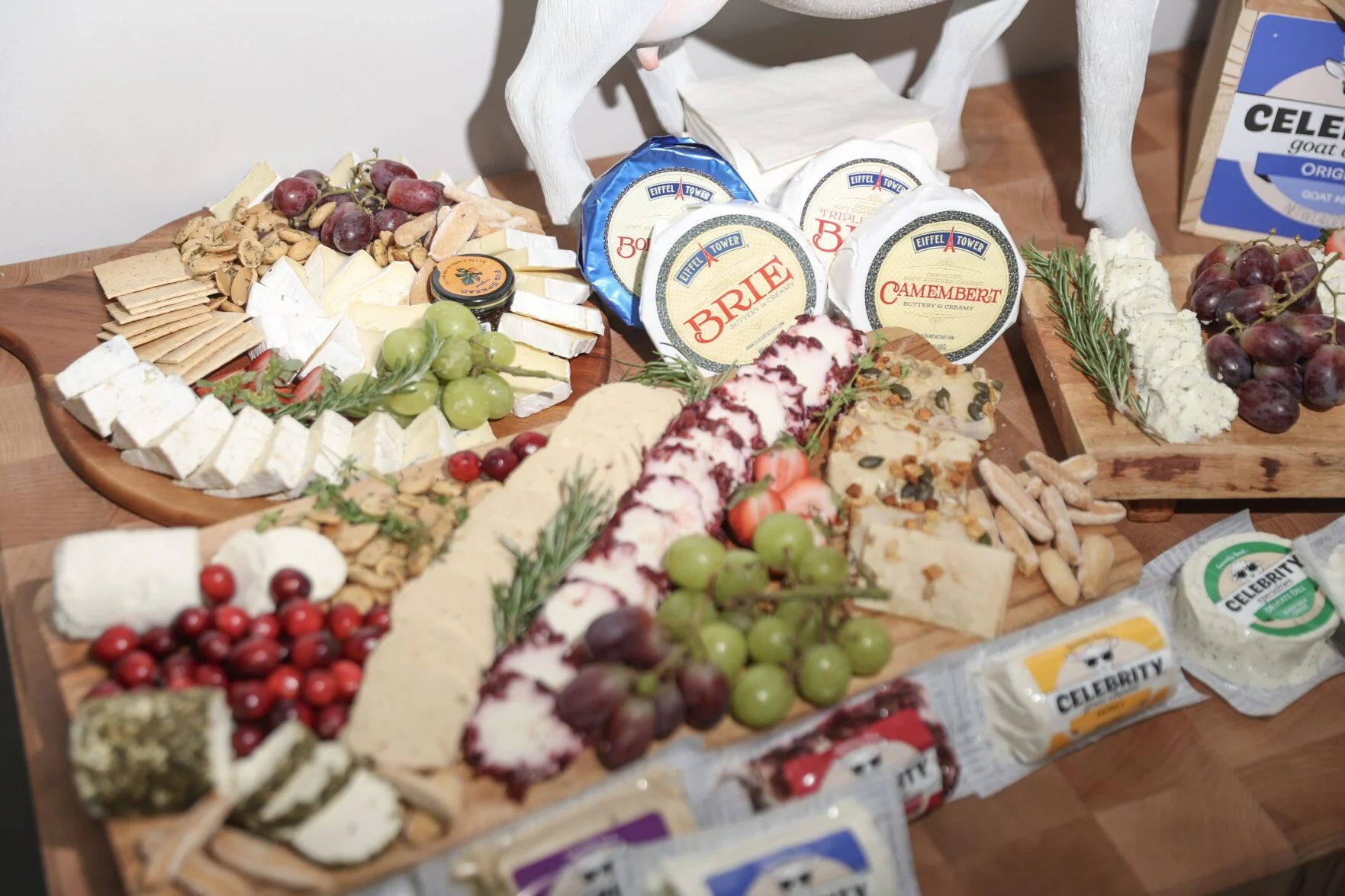
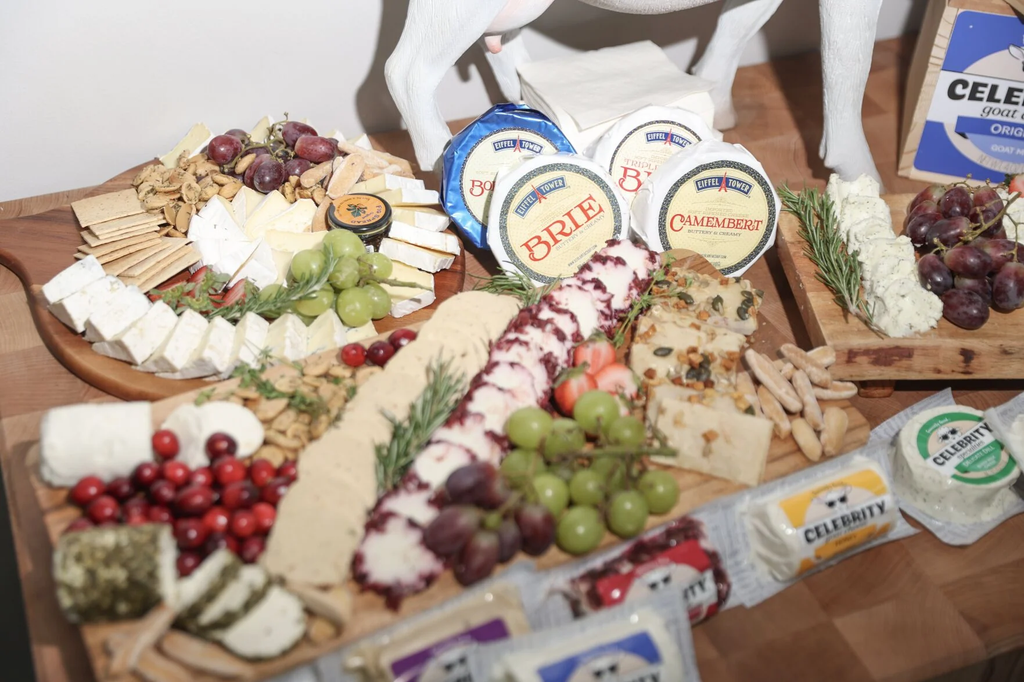
Gellert and his brother run Gellert Global Group, a major importing business in New Jersey. They bring in pallets of food from 60 countries — anchovies, olives, canned meat, mustard, cheese — stacked to the ceiling at their 270,000-square-foot complex near Newark airport. Among those products is goat cheese from Mariposa Dairy in Lindsay, Ont., one of the largest goat cheese producers in North America. Gellert imports roughly US$80 million worth of Canadian cheese annually, including Mariposa’s Celebrity brand goat cheese .
When the Trump administration imposed 50 per cent tariffs on certain Canadian goods in August under Section 338 of the Tariff Act of 1930 — a Depression-era law never before used for this purpose — Gellert began footing the bill himself. The company estimates the duties could cost it roughly US$40 million annually on Canadian cheese imports alone . “We can’t sustain a tariff like this on these products for much longer,” Gellert told CBC News .
The stakes extend far beyond New Jersey. Mariposa buys about half of all goat milk produced in Canada, mostly in Ontario, and 80 per cent of its cheese goes to the U.S. through Gellert . Ontario goat farmers have taken out loans to build barns and milking systems to meet American demand. “A lot of them just wouldn’t make it and their herds would be destroyed” if shipments stopped, said Mariposa CEO Mark Anderson .
Gellert tried lobbying first. He met with U.S. Ambassador to Canada Pete Hoekstra, arguing that America lacks enough domestic goat milk to meet demand and that goat farming isn’t part of Canada’s supply management system that has frustrated Washington. Those efforts failed . So Gellert teamed up with the Liberty Justice Center, the nonprofit that successfully challenged Trump’s previous IEEPA tariffs, to sue the administration in the U.S. Court of International Trade .
The lawsuit argues Section 338 cannot be used as “an all-purpose authorization for the executive branch to impose sweeping tariffs” and that the tariffs target products unrelated to the Canadian policies the administration claims are discriminatory . The case is pending.
The dispute has unfolded against the backdrop of two New Jersey congressional races where Democrats threatened to flip Republican seats — and did. In the 7th District, Democrat Rebecca Bennett unseated Rep. Tom Kean Jr., capturing 57 per cent of the vote to Kean’s 41 per cent . In South Jersey’s 2nd District, Democrat Zack Mullock ousted four-term Rep. Jeff Van Drew . The trade war with Canada proved unpopular in the state, and Gellert’s lawsuit became a symbol of its local costs.
For Mariposa and the Ontario farmers who supply it, the legal fight is existential. “We don’t want it to disappear overnight,” Gellert said .